Read Our Blogs

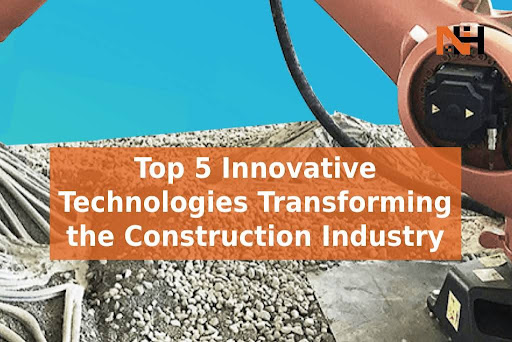
Top 5 Innovative Technologies Transforming the Construction Industry

<p class="MsoNormal" style="margin-bottom:0in;margin-bottom:.0001pt;line-height: normal">The construction industry has been undergoing a significant transformation in recent years, thanks to rapid advancements in technology. From improved efficiency to enhanced safety measures, these innovations are reshaping the way construction projects are planned and executed. In this article, we will explore the top five innovative technologies that are making a profound impact on the construction industry.<p class="MsoNormal" style="margin-bottom:0in;margin-bottom:.0001pt;line-height: normal"><br></p><h1 style="margin-bottom:0in;margin-bottom:.0001pt;line-height: normal"><font color="#ff9c00">1. Building Information Modeling (BIM)</font></h1><p class="MsoNormal" style="margin-bottom:0in;margin-bottom:.0001pt;line-height: normal"><br><font color="#ff9c00">**Building Information Modeling (BIM)**</font> has emerged as a game-changer in the construction sector. BIM involves creating a digital representation of a building or infrastructure, allowing stakeholders to collaboratively design, construct, and operate projects. This technology facilitates improved communication, reduces errors, and enhances overall project efficiency. BIM also enables real-time collaboration among architects, engineers, and contractors, streamlining the construction process.</p><p class="MsoNormal" style="margin-bottom:0in;margin-bottom:.0001pt;line-height: normal"><br></p><h1><font color="#ff9c00">2. Drones for Surveying and Inspection</font></h1><p class="MsoNormal" style="margin-bottom:0in;margin-bottom:.0001pt;line-height: normal"><br><font color="#ff9c00">**Drones** </font>have become an integral part of construction projects, offering a cost-effective and efficient solution for surveying and inspection tasks. Equipped with high-resolution cameras and advanced sensors, drones can quickly capture accurate data, monitor construction progress, and conduct inspections in challenging or hazardous environments. The use of drones minimizes human intervention, reduces project timelines, and enhances safety measures on construction sites.</p><p class="MsoNormal" style="margin-bottom:0in;margin-bottom:.0001pt;line-height: normal"><br></p><h1><font color="#ff9c00">3. Augmented Reality (AR) and Virtual Reality (VR)</font></h1><p class="MsoNormal" style="margin-bottom:0in;margin-bottom:.0001pt;line-height: normal"><br>The integration of <font color="#ff9c00">**Augmented Reality (AR)**</font> and <font color="#ff9c00">**Virtual Reality (VR)**</font> technologies has revolutionized the way construction professionals visualize and plan projects. AR overlays digital information onto the physical world, providing on-site workers with real-time data and instructions. VR, on the other hand, creates immersive virtual environments that facilitate virtual walkthroughs of construction designs, allowing stakeholders to identify potential issues before construction begins.</p><p class="MsoNormal" style="margin-bottom:0in;margin-bottom:.0001pt;line-height: normal"><br></p><h1><font color="#ff9c00">4. 3D Printing in Construction</font></h1><p class="MsoNormal" style="margin-bottom:0in;margin-bottom:.0001pt;line-height: normal"><br><font color="#ff9c00">**3D printing**</font> has gained traction in the construction industry, offering a futuristic approach to building structures. This technology allows for the precise layering of construction materials based on digital designs, enabling the creation of complex and customized structures with reduced waste. 3D printing in construction has the potential to revolutionize the industry by significantly speeding up construction processes and lowering costs.</p><p class="MsoNormal" style="margin-bottom:0in;margin-bottom:.0001pt;line-height: normal"><br></p><h1><font color="#ff9c00">5. Internet of Things (IoT) for Smart Construction</font></h1><p class="MsoNormal" style="margin-bottom:0in;margin-bottom:.0001pt;line-height: normal"><br>The <font color="#ff9c00">**Internet of Things (IoT)**</font> has found its way into construction through the concept of smart construction sites. By connecting various devices and sensors, IoT enables real-time monitoring of equipment, materials, and environmental conditions. This data-driven approach enhances project management, optimizes resource utilization, and improves overall safety and efficiency on construction sites.</p><p class="MsoNormal" style="margin-bottom:0in;margin-bottom:.0001pt;line-height: normal"><br></p><h1><font color="#ff9c00">Conclusion</font></h1><p class="MsoNormal" style="margin-bottom:0in;margin-bottom:.0001pt;line-height: normal"><br>As the construction industry embraces these innovative technologies, it is poised to undergo a transformative shift towards increased efficiency, sustainability, and safety. From digital collaboration with BIM to the automation capabilities of drones and the immersive experiences provided by AR and VR, these technologies are reshaping the future of construction. Embracing these advancements will not only drive construction projects forward but also pave the way for a more sustainable and technologically advanced industry.</p></p>

Safety First: A Comprehensive Guide to Ensuring Construction Site Safety

<p class="MsoNormal" style="margin-bottom:0in;margin-bottom:.0001pt;line-height: normal">Construction sites are dynamic environments with various risks and hazards. Ensuring the safety of workers and visitors is paramount to the success of any construction project. In this comprehensive guide, we will delve into the key aspects of construction site safety, providing valuable insights and practical tips to mitigate risks.<p class="MsoNormal" style="margin-bottom:0in;margin-bottom:.0001pt;line-height: normal"><br></p><h1 style="margin-bottom:0in;margin-bottom:.0001pt;line-height: normal"><font color="#ff9c00">Understanding Construction Site Hazards</font></h1><p class="MsoNormal" style="margin-bottom:0in;margin-bottom:.0001pt;line-height: normal"><br>Before implementing safety measures, it's crucial to identify potential hazards. Construction sites pose numerous risks, including falls, electrical hazards, moving machinery, and exposure to hazardous substances. Conducting a thorough risk assessment is the first step towards creating a safer work environment.</p><p class="MsoNormal" style="margin-bottom:0in;margin-bottom:.0001pt;line-height: normal"><br></p><h1><font color="#ff9c00">Developing a Safety Plan</font></h1><p class="MsoNormal" style="margin-bottom:0in;margin-bottom:.0001pt;line-height: normal"><br></p><h3><font color="#ff9c00">Establishing Safety Policies</font></h3><p class="MsoNormal" style="margin-bottom:0in;margin-bottom:.0001pt;line-height: normal">A robust safety plan begins with well-defined policies. Clearly communicate safety expectations to all personnel on the construction site. Emphasize the importance of following safety protocols and reporting any unsafe conditions promptly.</p><p class="MsoNormal" style="margin-bottom:0in;margin-bottom:.0001pt;line-height: normal"><br></p><h3><font color="#ff9c00">Conducting Safety Training</font></h3><p class="MsoNormal" style="margin-bottom:0in;margin-bottom:.0001pt;line-height: normal">Investing in comprehensive safety training is essential. Ensure that every worker is trained on the proper use of equipment, emergency procedures, and hazard recognition. Regular training sessions and refresher courses keep safety protocols at the forefront of everyone's mind.</p><p class="MsoNormal" style="margin-bottom:0in;margin-bottom:.0001pt;line-height: normal"><br></p><h3><font color="#ff9c00">Providing Personal Protective Equipment (PPE)</font></h3><p class="MsoNormal" style="margin-bottom:0in;margin-bottom:.0001pt;line-height: normal">Personal Protective Equipment is a vital component of construction site safety. Provide workers with the necessary gear, including hard hats, safety glasses, gloves, and steel-toed boots. Regularly inspect and replace damaged or worn-out PPE to maintain its effectiveness.</p><p class="MsoNormal" style="margin-bottom:0in;margin-bottom:.0001pt;line-height: normal"><br></p><h1><font color="#ff9c00">Implementing Safety Measures</font></h1><p class="MsoNormal" style="margin-bottom:0in;margin-bottom:.0001pt;line-height: normal"><br></p><h3><font color="#ff9c00">Securing the Work Area</font></h3><p class="MsoNormal" style="margin-bottom:0in;margin-bottom:.0001pt;line-height: normal">Clearly define work zones and implement barriers to prevent unauthorized access. Signage should highlight potential dangers, and workers should be vigilant about maintaining a safe distance from machinery and hazardous areas.</p><p class="MsoNormal" style="margin-bottom:0in;margin-bottom:.0001pt;line-height: normal"><br></p><h3><font color="#ff9c00">Fall Protection</font></h3><p class="MsoNormal" style="margin-bottom:0in;margin-bottom:.0001pt;line-height: normal">Falls are a leading cause of injuries on construction sites. Install guardrails, safety nets, and personal fall arrest systems where needed. Regularly inspect and maintain fall protection equipment to ensure its reliability.</p><p class="MsoNormal" style="margin-bottom:0in;margin-bottom:.0001pt;line-height: normal"><br></p><h3><font color="#ff9c00">Machinery Safety</font></h3><p class="MsoNormal" style="margin-bottom:0in;margin-bottom:.0001pt;line-height: normal">Proper usage and maintenance of machinery are critical for construction site safety. Conduct routine inspections, provide training on equipment operation, and establish protocols for equipment shutdown and lockout procedures.&nbsp;</p><p class="MsoNormal" style="margin-bottom:0in;margin-bottom:.0001pt;line-height: normal"><br></p><h3><font color="#ff9c00">Electrical Safety</font></h3><p class="MsoNormal" style="margin-bottom:0in;margin-bottom:.0001pt;line-height: normal">Electricity is a pervasive hazard on construction sites. Implement safety measures such as grounding, insulation, and proper wiring. Workers should be trained to recognize electrical hazards and report any issues promptly.</p><p class="MsoNormal" style="margin-bottom:0in;margin-bottom:.0001pt;line-height: normal"><br></p><h1><font color="#ff9c00">Emergency Preparedness</font></h1><p class="MsoNormal" style="margin-bottom:0in;margin-bottom:.0001pt;line-height: normal"><br></p><h3><font color="#ff9c00">Developing Emergency Response Plans</font></h3><p class="MsoNormal" style="margin-bottom:0in;margin-bottom:.0001pt;line-height: normal">Prepare for unforeseen circumstances by developing comprehensive emergency response plans. This includes evacuation procedures, first aid stations, and communication protocols. Regular drills help ensure that everyone is familiar with emergency procedures.</p><p class="MsoNormal" style="margin-bottom:0in;margin-bottom:.0001pt;line-height: normal"><br></p><h3><font color="#ff9c00">First Aid and Medical Facilities</font></h3><p class="MsoNormal" style="margin-bottom:0in;margin-bottom:.0001pt;line-height: normal">Have well-equipped first aid stations on-site and ensure that personnel are trained in basic first aid. In cases of serious injuries, establish a connection with nearby medical facilities for prompt medical attention.</p><p class="MsoNormal" style="margin-bottom:0in;margin-bottom:.0001pt;line-height: normal"><br></p><h1><font color="#ff9c00">Continuous Improvement</font></h1><p class="MsoNormal" style="margin-bottom:0in;margin-bottom:.0001pt;line-height: normal"><br></p><h3><font color="#ff9c00">Regular Safety Inspections</font></h3><p class="MsoNormal" style="margin-bottom:0in;margin-bottom:.0001pt;line-height: normal">Conduct regular safety inspections to identify potential hazards and assess the effectiveness of safety measures. Address issues promptly and make necessary adjustments to enhance overall safety.</p><p class="MsoNormal" style="margin-bottom:0in;margin-bottom:.0001pt;line-height: normal"><br></p><h3><font color="#ff9c00">Employee Feedback and Reporting</font></h3><p class="MsoNormal" style="margin-bottom:0in;margin-bottom:.0001pt;line-height: normal">Encourage a culture of open communication regarding safety concerns. Workers should feel comfortable reporting unsafe conditions without fear of reprisal. Act on feedback to continuously improve safety measures.</p><p class="MsoNormal" style="margin-bottom:0in;margin-bottom:.0001pt;line-height: normal"><br></p><h1><font color="#ff9c00">Conclusion</font></h1><p class="MsoNormal" style="margin-bottom:0in;margin-bottom:.0001pt;line-height: normal">Prioritizing safety on construction sites is a shared responsibility that requires commitment from all stakeholders. By implementing comprehensive safety measures, providing ongoing training, and fostering a culture of vigilance, construction sites can minimize risks and create a safer working environment for everyone involved. Remember, safety first is not just a slogan&acirc;&#128;&#148;it's a commitment to the well-being of all individuals on the construction site.</p></p>

Breaking Down the Costs: Budgeting Tips for Construction Projects

<p class="MsoNormal" style="margin-bottom:0in;margin-bottom:.0001pt;line-height: normal">Construction projects, whether large-scale developments or small renovations, are complex undertakings that require careful planning and financial management. One of the key challenges in construction is maintaining a budget that aligns with the project's scope and objectives. In this article, we will explore essential budgeting tips for construction projects, breaking down the costs to ensure successful and cost-effective outcomes.<p class="MsoNormal" style="margin-bottom:0in;margin-bottom:.0001pt;line-height: normal"><br></p><h1 style="margin-bottom:0in;margin-bottom:.0001pt;line-height: normal"><font color="#ff9c00">Importance of Budgeting in Construction</font></h1><p class="MsoNormal" style="margin-bottom:0in;margin-bottom:.0001pt;line-height: normal"><br>Construction budgets serve as the financial roadmap for a project. Accurate budgeting helps stakeholders make informed decisions, avoid cost overruns, and ensure that the project is completed within the specified timeframe. Effective budgeting also enhances communication among project teams, investors, and clients, fostering transparency and accountability.</p><p class="MsoNormal" style="margin-bottom:0in;margin-bottom:.0001pt;line-height: normal"><br></p><h1><font color="#ff9c00">Factors Influencing Construction Costs</font></h1><p class="MsoNormal" style="margin-bottom:0in;margin-bottom:.0001pt;line-height: normal"><br>Before diving into budgeting tips, it's crucial to understand the various factors that influence construction costs. These factors include:</p><p class="MsoNormal" style="margin-bottom:0in;margin-bottom:.0001pt;line-height: normal"><br>&nbsp; &nbsp; <font color="#ff9c00">1. **Project Scope**:</font> The size and complexity of the project significantly impact costs. A larger scope often requires more resources and a higher budget.</p><p class="MsoNormal" style="margin-bottom:0in;margin-bottom:.0001pt;line-height: normal">&nbsp; &nbsp;<font color="#ff9c00"> 2. **Location**:</font> Construction costs vary based on geographic location. Factors such as labor rates, material availability, and local regulations contribute to these variations.</p><p class="MsoNormal" style="margin-bottom:0in;margin-bottom:.0001pt;line-height: normal">&nbsp; &nbsp; <font color="#ff9c00">3. **Design Complexity**:</font> Projects with intricate designs or unique architectural features may incur higher costs due to specialized labor and materials.</p><p class="MsoNormal" style="margin-bottom:0in;margin-bottom:.0001pt;line-height: normal">&nbsp; &nbsp; <font color="#ff9c00">4. **Market Conditions**:</font> Fluctuations in the construction market, including changes in material prices and labor shortages, can affect project costs.</p><p class="MsoNormal" style="margin-bottom:0in;margin-bottom:.0001pt;line-height: normal">&nbsp; &nbsp; <font color="#ff9c00">5. **Regulatory Requirements**:</font> Compliance with building codes and regulations may necessitate additional expenses, particularly if modifications are required during construction.</p><p class="MsoNormal" style="margin-bottom:0in;margin-bottom:.0001pt;line-height: normal"><br></p><h1><font color="#ff9c00">Budgeting Tips for Construction Projects</font></h1><p class="MsoNormal" style="margin-bottom:0in;margin-bottom:.0001pt;line-height: normal"><br></p><h3>&nbsp; &nbsp; &nbsp; &nbsp; &nbsp; <font color="#ff9c00">1.&nbsp; &nbsp;Conduct a Detailed Cost Estimate</font></h3><p class="MsoNormal" style="margin-bottom:0in;margin-bottom:.0001pt;line-height: normal"><br>Before commencing a construction project, it is essential to conduct a comprehensive cost estimate. This involves analyzing all aspects of the project, including labor, materials, equipment, permits, and contingency costs. A detailed estimate provides a solid foundation for creating an accurate budget.</p><p class="MsoNormal" style="margin-bottom:0in;margin-bottom:.0001pt;line-height: normal"><br></p><h3>&nbsp; &nbsp; &nbsp; &nbsp; &nbsp; <font color="#ff9c00">2.&nbsp; &nbsp;Include Contingency Funds</font></h3><p class="MsoNormal" style="margin-bottom:0in;margin-bottom:.0001pt;line-height: normal"><br>Construction projects often encounter unforeseen challenges, such as unexpected site conditions or changes in project scope. Allocating a contingency fund, typically 10-15% of the total budget, helps mitigate risks and ensures that there are resources available to address unforeseen issues without jeopardizing the project's success.</p><p class="MsoNormal" style="margin-bottom:0in;margin-bottom:.0001pt;line-height: normal"><br></p><h3>&nbsp; &nbsp; &nbsp; &nbsp; &nbsp; <font color="#ff9c00">3.&nbsp; &nbsp;Prioritize Value Engineering</font></h3><p class="MsoNormal" style="margin-bottom:0in;margin-bottom:.0001pt;line-height: normal"><br>Value engineering involves finding cost-effective alternatives without compromising quality. Collaborate with architects, engineers, and contractors to identify areas where cost savings can be achieved without sacrificing the project's integrity. This proactive approach helps optimize the budget while maintaining project goals.</p><p class="MsoNormal" style="margin-bottom:0in;margin-bottom:.0001pt;line-height: normal"><br></p><h3>&nbsp; &nbsp; &nbsp; &nbsp; &nbsp; <font color="#ff9c00">4.&nbsp; &nbsp;Regularly Monitor and Update the Budget</font></h3><p class="MsoNormal" style="margin-bottom:0in;margin-bottom:.0001pt;line-height: normal"><br>Construction projects are dynamic, and factors such as weather, labor fluctuations, or design changes can impact costs. Regularly monitor the budget, compare actual costs to estimates, and make adjustments as needed. This proactive approach helps prevent cost overruns and ensures that the project remains financially viable.</p><p class="MsoNormal" style="margin-bottom:0in;margin-bottom:.0001pt;line-height: normal"><br></p><h1><font color="#ff9c00">Conclusion</font></h1><p class="MsoNormal" style="margin-bottom:0in;margin-bottom:.0001pt;line-height: normal"><br>Effective budgeting is a cornerstone of successful construction projects. By understanding the factors influencing costs and implementing strategic budgeting tips, project stakeholders can navigate the complexities of construction and achieve successful outcomes. Regular communication, collaboration, and adaptability are key elements in ensuring that the budget aligns with project goals from start to finish.</p></p>

Location

Flat- B3, House-30/5, Block-F, Babar Road, Mohammadpur, Dhaka- 1207, Bangladesh.

Phone

+88 01309015036

Email

info@nhasnat.com